A Seat
at the
Table
The early work was black and white. That was not a stylistic choice. It was the only honest thing he could make. Black and white is what it looks like when you are holding everything in. For years, while the work was showing, the harder work was happening: four years of therapy, the kind that strips everything down before it builds anything back up.
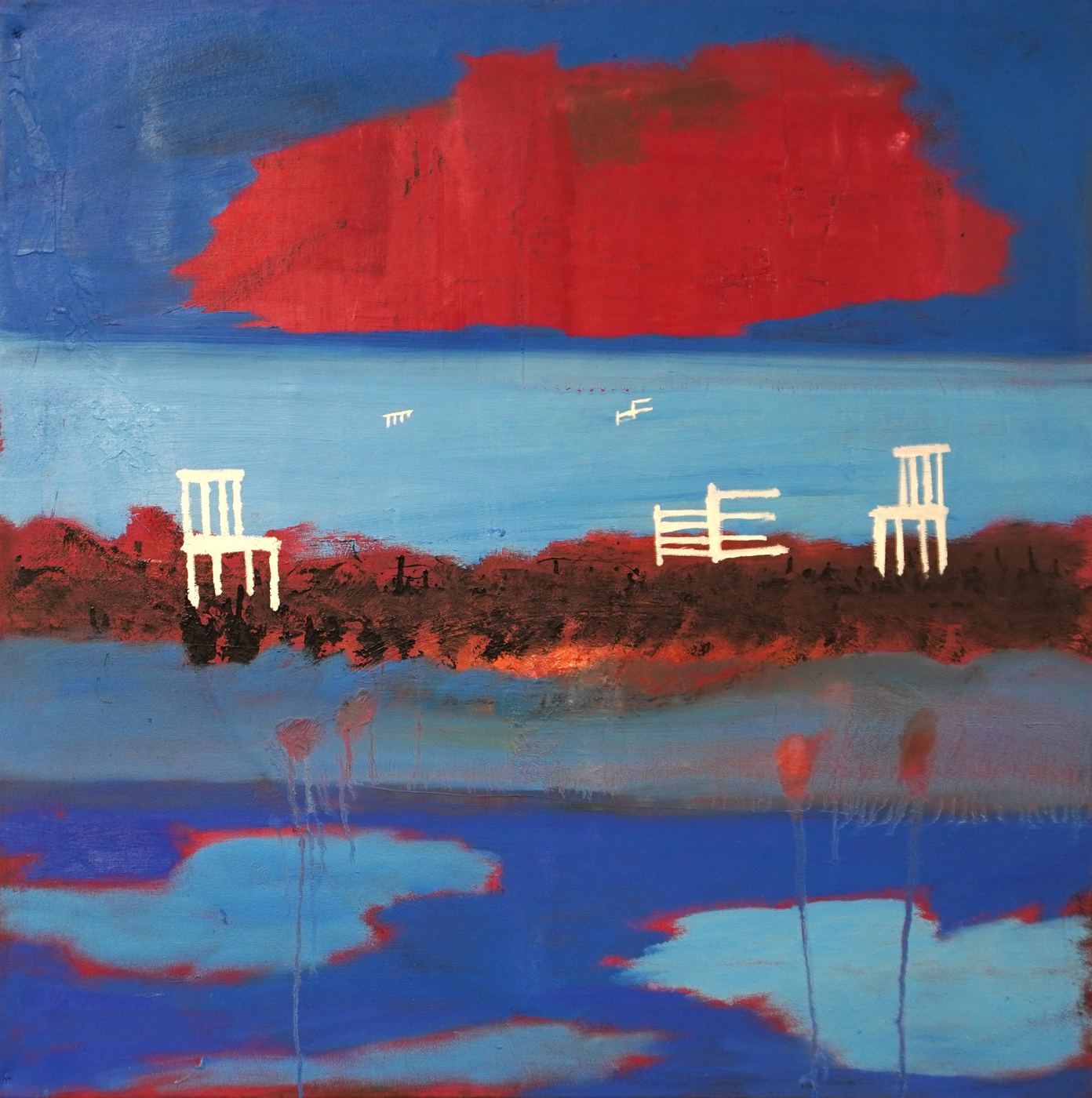
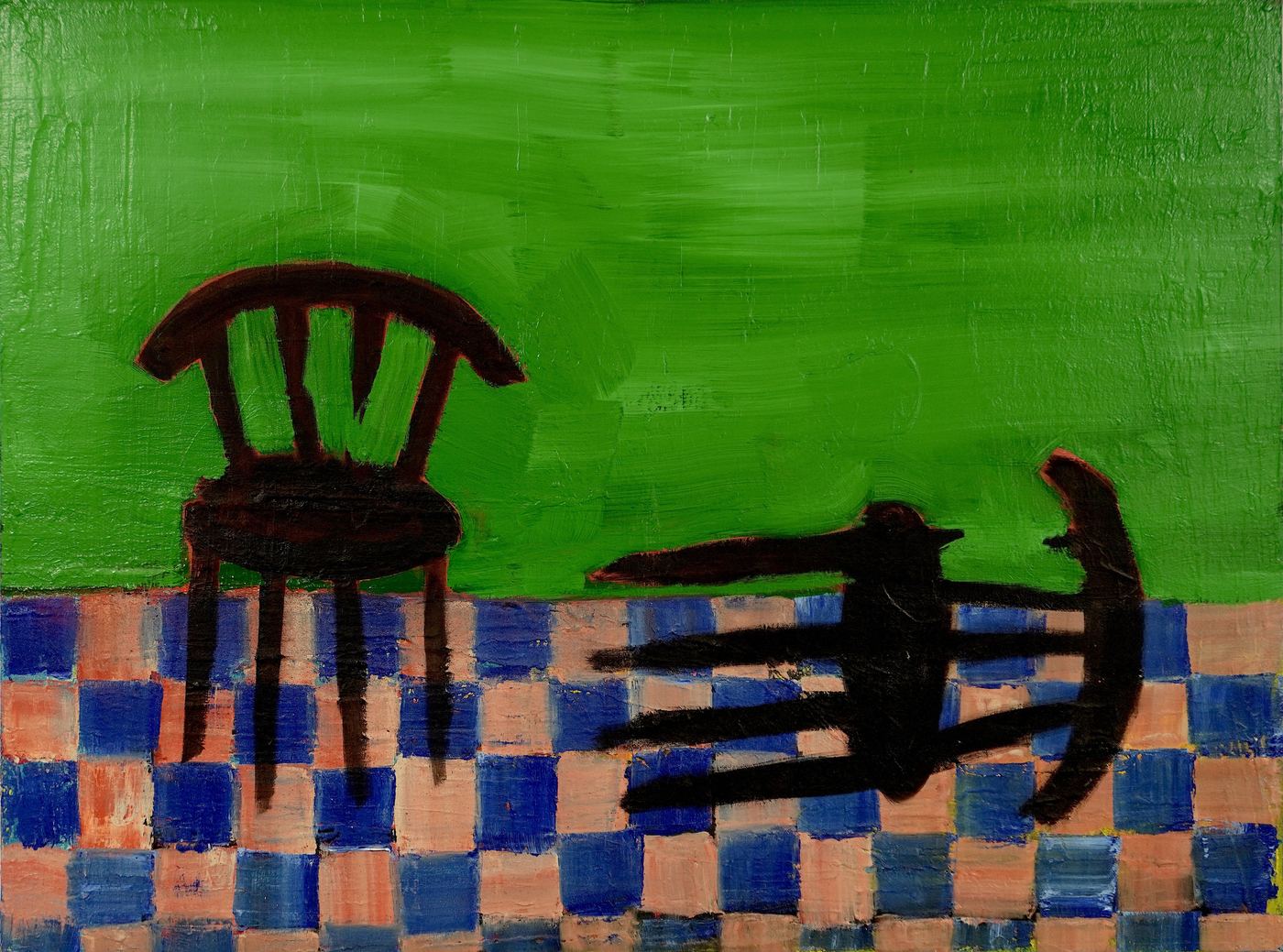
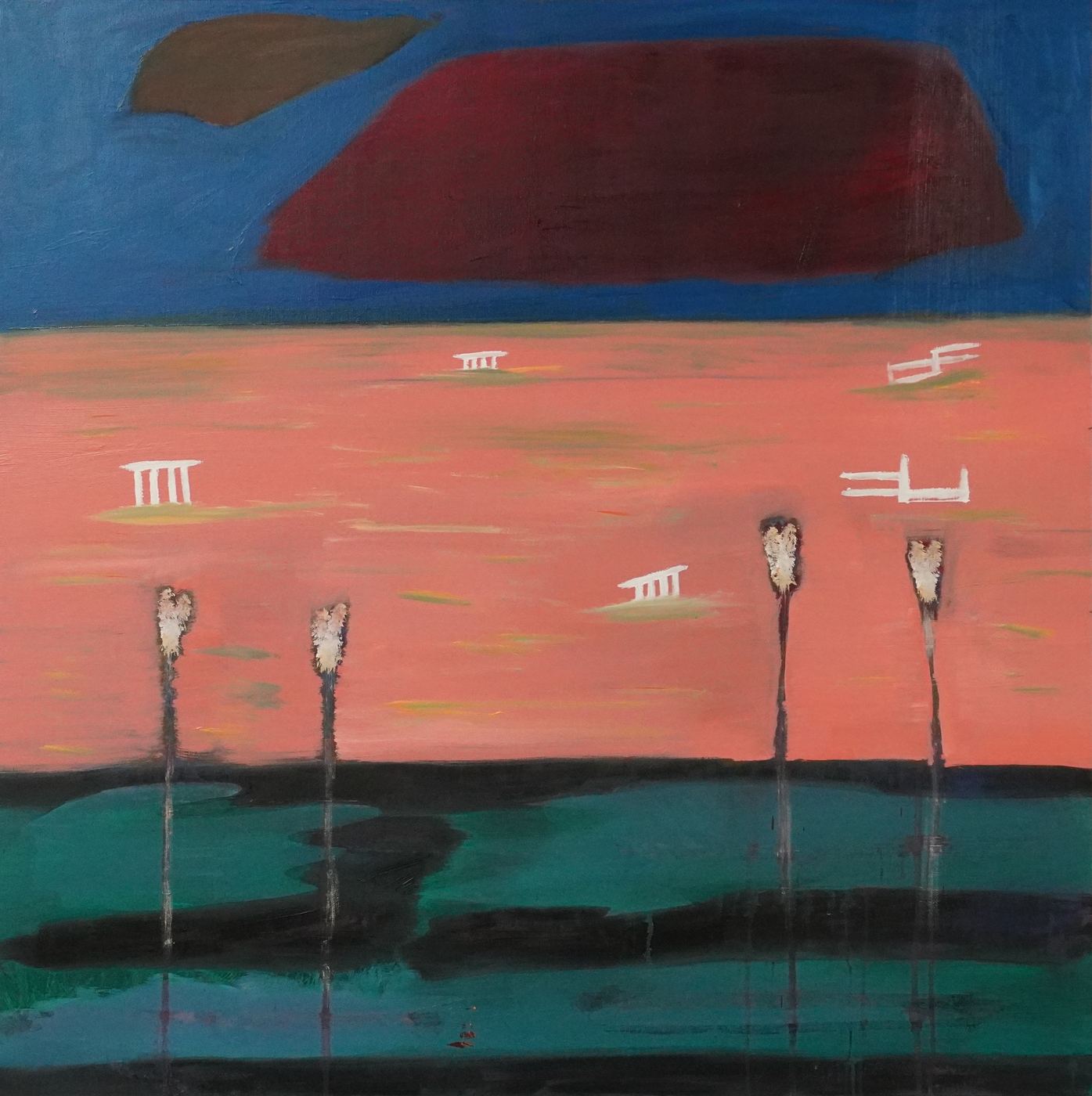
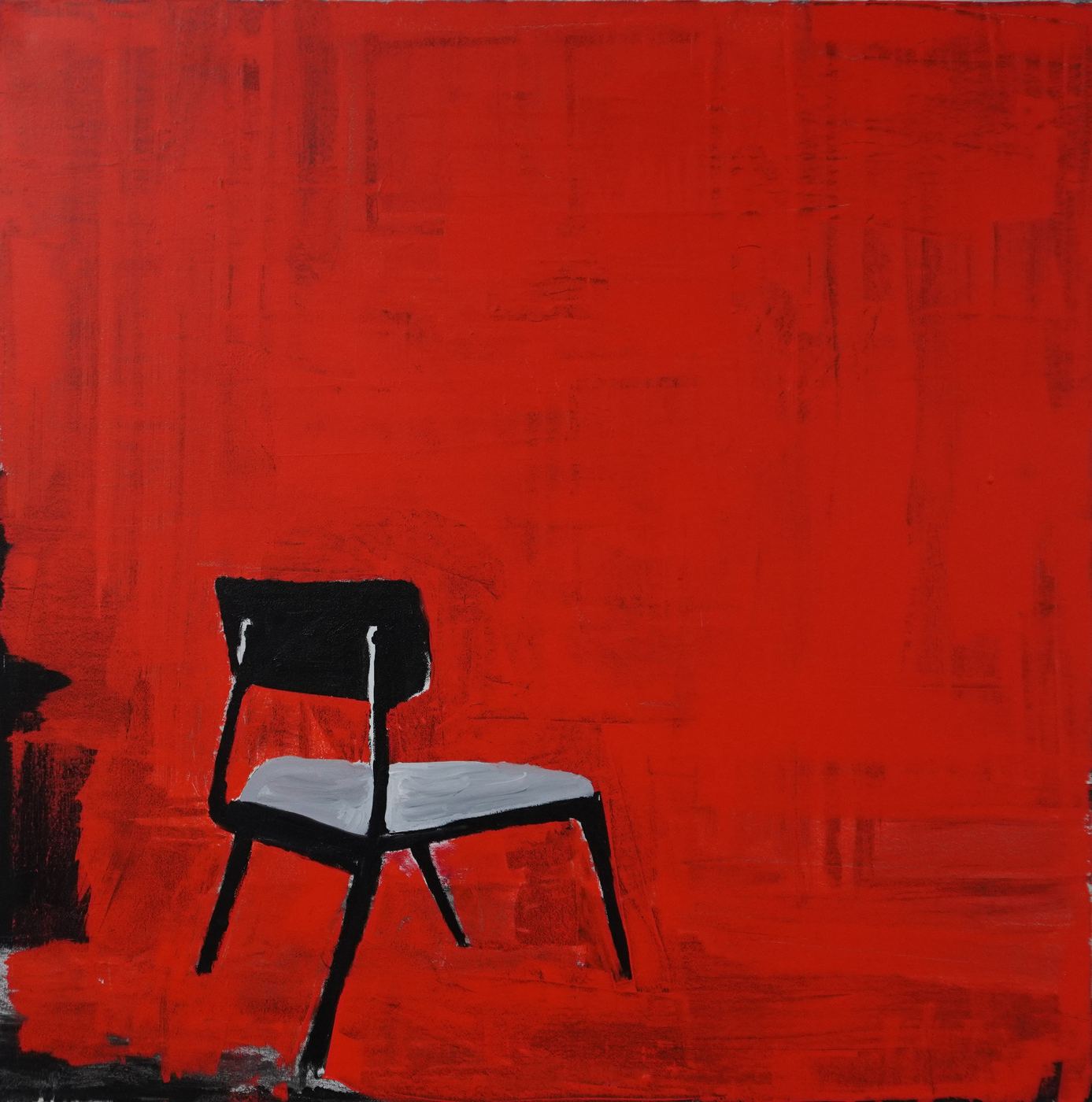
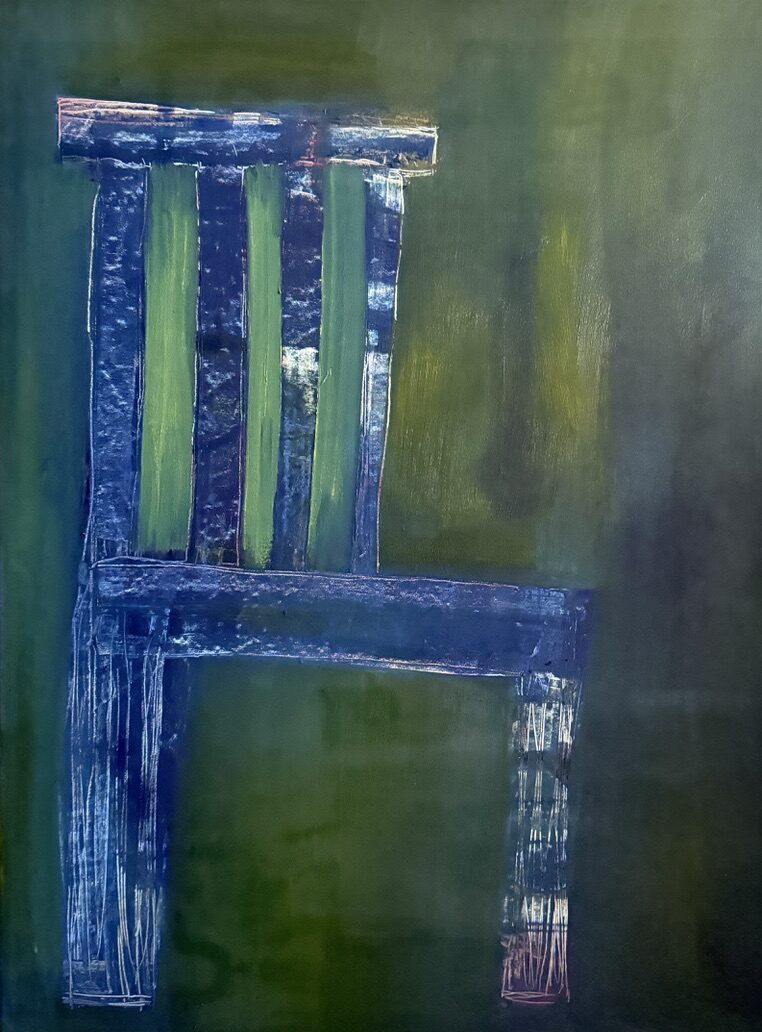
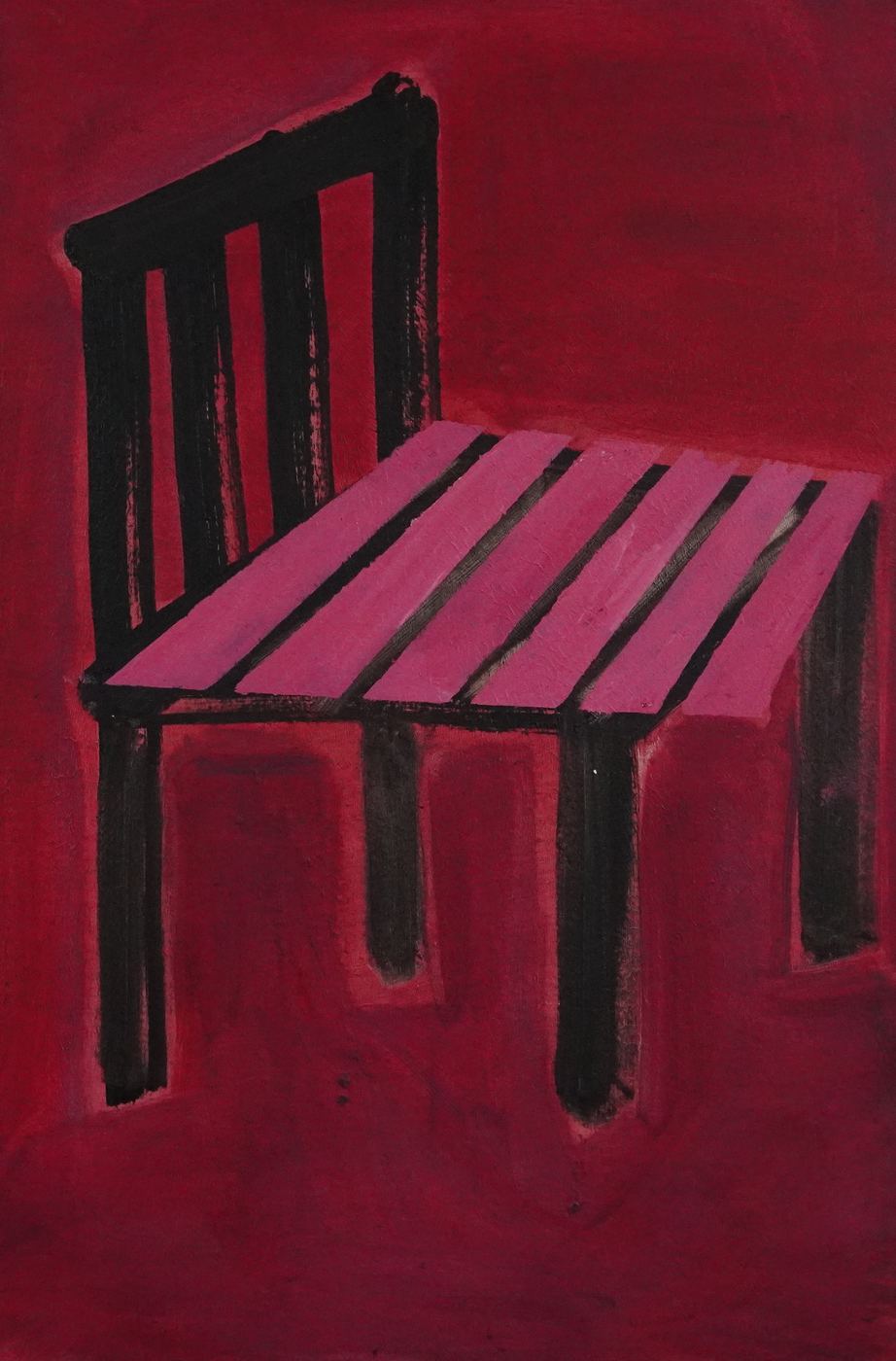
The color arrived when the weight lifted. Not all at once. Slowly, then undeniably. Every painting in A Seat at the Table returns to the same object: a chair, a bench, a table, a room built to hold someone who may or may not be there. Some are empty on purpose. Some are waiting. One is crowded with company that hasn't shown up yet.
A Seat at the Table is twenty-six new paintings built entirely around that single question: who gets a seat, who's still arriving, and what it looks like when the chair is finally, quietly, occupied. It is not a retrospective. It is a reckoning.
The title says what needs to be said. He has arrived. And he has earned his place at it.
Cincinnati, OH